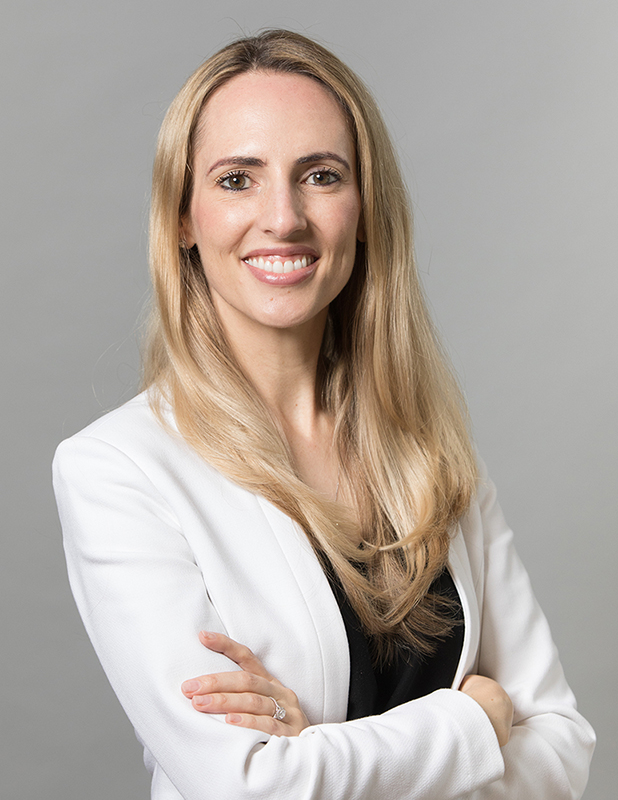
Dana Van Elslande, DDS, MSc
Orthodontic Specialist
As a child, Dr. Van Elslande was a patient of Dr. Brown's! His love of Orthodontics was infectious, and it was during Dr. Van Elslande's appointments as a patient that she decided that Orthodontics would be her dream.
As an Orthodontist, Dr. Van Elslande has specialized training in orthodontics. She received her Bachelor of Medical Science, Doctor of Dental Surgery degree and her Masters in Clinical Orthodontics from the University of Alberta.
Click here to meet Dr. Dana Van Elslande


 Interceptive orthodontic treatment is indicated when conditions exist that, if left untreated, could lead to the development of more serious dental problems. The goal is to reduce the severity of a developing problem and eliminate the cause.
What are the advantages of Interceptive Treatment?
Interceptive orthodontic treatment is indicated when conditions exist that, if left untreated, could lead to the development of more serious dental problems. The goal is to reduce the severity of a developing problem and eliminate the cause.
What are the advantages of Interceptive Treatment?
 The enthusiasm that Drs. Brown, Van Elslande and Team show about Early Orthodontic Treatment is evident in any discussion, and its benefits cannot be matched. Early Treatment enables coordination of the size of the teeth and jaws, as they develop. Each child's growth potential is maximized, to improve the malocclusion and give the permanent teeth the best chance to erupt in an ideal position. Most importantly, this treatment may eliminate the need for tooth extraction or jaw surgery, and may allow Drs. Brown and Van Elslande to achieve results that may not be possible once the child has finished growing!
 At SmileZone, nearly half of our patients are adults. In fact, our approach to treatment and the options we offer make having braces or straightening your teeth with clear aligners, more comfortable and more efficient than ever. Benefits of treatment can improve your health, self-confidence and keep you looking younger no matter your age.
One of the greatest advancements in orthodontic treatment in the last 10 years is the development of something called passive self-ligation. And Drs. Brown and Van Elslande have helped to develop and refine this process. That's why we are proud to use the revolutionary H4 bracket system for children and adults.
The H4™ orthodontic solution has a number of benefits designed to make treatment better and to help us deliver optimal results:
At SmileZone, nearly half of our patients are adults. In fact, our approach to treatment and the options we offer make having braces or straightening your teeth with clear aligners, more comfortable and more efficient than ever. Benefits of treatment can improve your health, self-confidence and keep you looking younger no matter your age.
One of the greatest advancements in orthodontic treatment in the last 10 years is the development of something called passive self-ligation. And Drs. Brown and Van Elslande have helped to develop and refine this process. That's why we are proud to use the revolutionary H4 bracket system for children and adults.
The H4™ orthodontic solution has a number of benefits designed to make treatment better and to help us deliver optimal results:
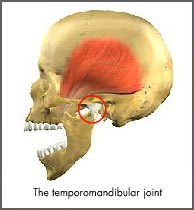 Common symptoms of a TMJ disorder (TMD) include headache, earache, jaw pain, muscle soreness, limited opening, dizziness, clicking and popping noises when opening or closing the mouth, or even locking of the jaw. While these symptoms may be related to a sinus infection or a toothache, frequently they are associated with a TMJ disorder. It is important that you see your dentist so he can try to identify the source of the pain.
It is frequently difficult to determine a single cause of TMD. Symptoms may be caused from arthritis, injury, or the way your teeth fit together. Stress is also known to be a contributing factor.
TMJ treatment is very complex and varies greatly depending on individual circumstances. It is important to understand that TMJ therapy does not cure a TMJ disorder, but simply manages symptoms related to the problem. Damage to a joint is permanent. Therapy places the joints in a position where they experience the least trauma, minimizing future joint damage.
Often treatment involves an allied team of specialists, including orthodontists, physical therapists, pain management specialists, biofeedback specialists, and in extreme cases oral surgeons. Treatment may involve a combination of muscle relaxants, stress reducing exercises and wearing an appliance, called a splint. A splint places the joints in a position where the muscles, joints and teeth can work in harmony with each other. If splint therapy is successful, the need for further treatment can be determined. In most cases, “less is better”.
Occasionally very conservative treatment is not sufficient, and more aggressive treatments are required that might include combinations of orthodontics, prosthetics (crowns and bridges) or surgery. The goal of such treatment is to place the teeth or jaws in a position where symptoms can potentially be controlled. Often the best solution is long term splint therapy to slow joint deterioration and maintain an acceptable level of comfort.
Common symptoms of a TMJ disorder (TMD) include headache, earache, jaw pain, muscle soreness, limited opening, dizziness, clicking and popping noises when opening or closing the mouth, or even locking of the jaw. While these symptoms may be related to a sinus infection or a toothache, frequently they are associated with a TMJ disorder. It is important that you see your dentist so he can try to identify the source of the pain.
It is frequently difficult to determine a single cause of TMD. Symptoms may be caused from arthritis, injury, or the way your teeth fit together. Stress is also known to be a contributing factor.
TMJ treatment is very complex and varies greatly depending on individual circumstances. It is important to understand that TMJ therapy does not cure a TMJ disorder, but simply manages symptoms related to the problem. Damage to a joint is permanent. Therapy places the joints in a position where they experience the least trauma, minimizing future joint damage.
Often treatment involves an allied team of specialists, including orthodontists, physical therapists, pain management specialists, biofeedback specialists, and in extreme cases oral surgeons. Treatment may involve a combination of muscle relaxants, stress reducing exercises and wearing an appliance, called a splint. A splint places the joints in a position where the muscles, joints and teeth can work in harmony with each other. If splint therapy is successful, the need for further treatment can be determined. In most cases, “less is better”.
Occasionally very conservative treatment is not sufficient, and more aggressive treatments are required that might include combinations of orthodontics, prosthetics (crowns and bridges) or surgery. The goal of such treatment is to place the teeth or jaws in a position where symptoms can potentially be controlled. Often the best solution is long term splint therapy to slow joint deterioration and maintain an acceptable level of comfort.  Remember, your teeth move throughout life as a normal adaptation to the forces of chewing, aging, and function. The goal of retention is to minimize adverse changes, and retain the beautiful functional alignment achieved with orthodontic treatment.
 It's important for you to know how to properly take care of your braces throughout your entire orthodontic treatment. Most of our patients find it really easy to adjust - and many carry their new good habits forward even after treatment is complete.
Below are some helpful guidelines for you to keep in mind throughout your treatment.
It's important for you to know how to properly take care of your braces throughout your entire orthodontic treatment. Most of our patients find it really easy to adjust - and many carry their new good habits forward even after treatment is complete.
Below are some helpful guidelines for you to keep in mind throughout your treatment.